
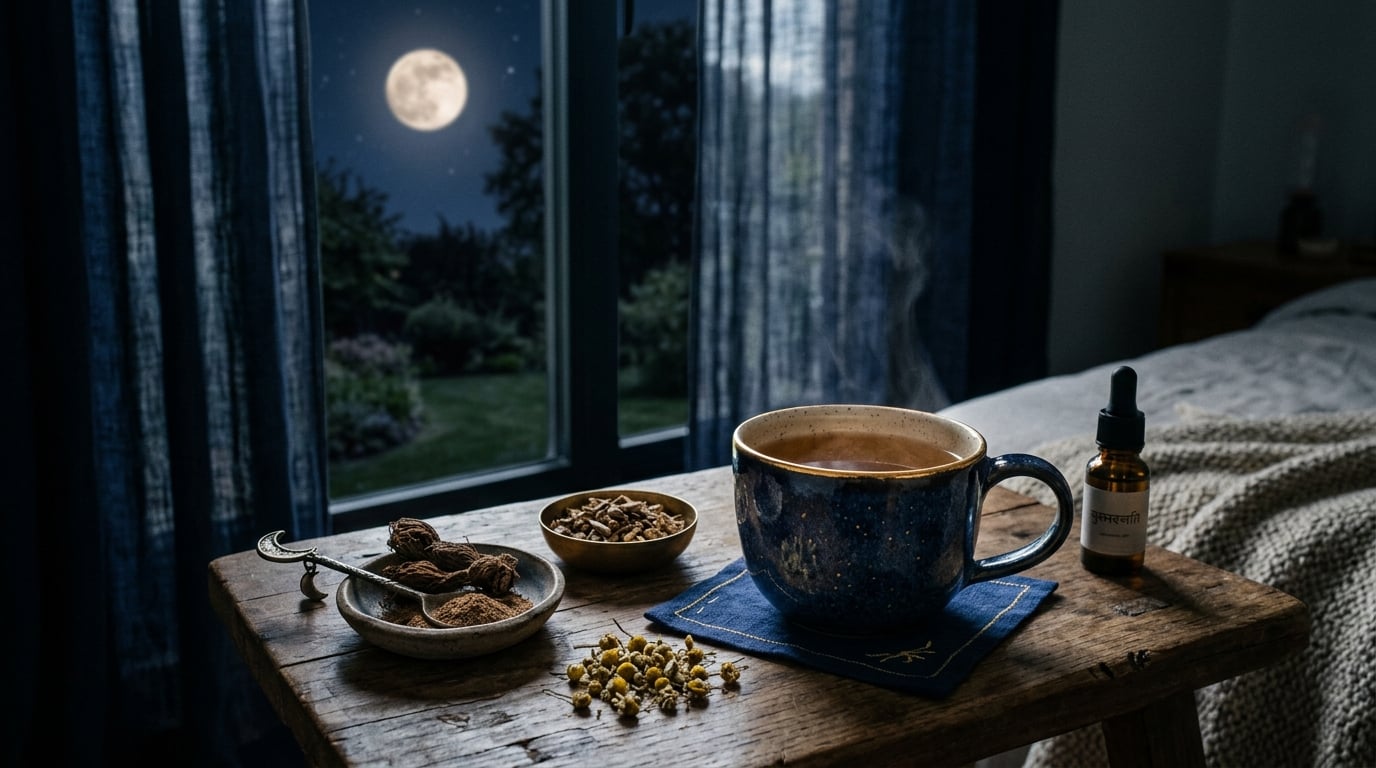
Chronic insomnia, generalized anxiety, and cognitive burnout have surged dramatically in modern urban society. Hyper-connectivity, nocturnal artificial blue-light exposure, relentless professional deadlines, and sensory overstimulation keep the human sympathetic nervous system locked in chronic "fight-or-flight" hyper-vigilance.
Conventional medical approaches commonly prescribe benzodiazepines, Z-drugs (zolpidem), or SSRIs. While these drugs can induce rapid sedation or blunt anxiety, they frequently disrupt restorative architecture (suppressing deep slow-wave and REM sleep cycles), create tolerance, and lead to rebound insomnia and dependency upon withdrawal.
Classical Ayurveda diagnoses insomnia as Anidra and anxiety as Chittodvega, analyzing them as profound neuro-energetic disturbances of Prana Vayu, Tarpaka Kapha, and Sadhaka Pitta.
1. Neuro-Ayurvedic Pathophysiology of Sleep
Sleep (Nidra) is revered in Ayurvedic medicine as one of the Trayopastambha—the three foundational pillars of life, alongside nutrition (Ahara) and disciplined vitality (Brahmacharya).
According to Charaka Samhita (Sutra Sthana 21):
"When the mind becomes exhausted and the sensory and motor organs (Indriyas) retract from their external objects, the individual lapses into restorative sleep."
- The Role of Tarpaka Kapha: Located in the cerebral cavity and cerebrospinal fluid, Tarpaka Kapha provides the physical and lipid lubrication that buffers brain cells and sensory organs against the dry, erratic movements of Vata.
- Vata-Pitta Hyperarousal: Chronic psychological stress, excessive intellectual rumination, skipped meals, and late-night digital screen usage deplete Tarpaka Kapha. Unchecked, dry and erratic Prana Vayu surges into the Mano Vaha Srotas (the channels of mental perception), causing fragmented sleep, hyperactive thought loops, racing nocturnal heart rates, and early-morning panic awakenings.
2. Clinical Neuro-Adaptogens & Herbal Formulations
- Ashwagandha (Withania somnifera):
- The active constituents—withanolides and somniferin—cross the blood-brain barrier to exert GABA-mimetic activity, reducing hypothalamic CRH (corticotropin-releasing hormone) secretion and dramatically lowering nocturnal cortisol spikes.
- Jatamansi (Nardostachys jatamansi):
- A renowned alpine Himalayan botanical. Jatamansi elevates central nervous system levels of GABA and serotonin without inducing morning grogginess or addiction.
- Brahmi (Bacopa monnieri):
- Standardized bacosides enhance cerebral blood flow, repair damaged synaptic connections, and protect neuronal dendrites against oxidative stress induced by chronic insomnia.
- Tagara (Valeriana wallichii):
- A potent Himalayan sedative herb indicated in acute sleep-onset insomnia, muscular tension, and nervous spasms.
- Saraswatarishta:
- A classical fermented herbal elixir containing Brahmi, Shatavari, and purified gold. Enhances neuroplasticity, memory retention, emotional composure, and restorative sleep quality.
- Mukta Pishti (Purified Pearl Compound):
- A renowned cooling compound that pacifies Sadhaka Pitta, dispels intense mental agitation, and relieves nocturnal palpitations.
3. External Therapies: Restoring Parasympathetic Dominance
- Shirodhara with Medicated Oils: Continuous streaming of warm Ksheerabala 101 Taila or Brahmi Taila over the forehead acts directly upon the central autonomic regulatory centers in the hypothalamus, rapidly transitioning brain waves from agitated beta patterns to calm theta and alpha states.
- Pada Abhyanga (Therapeutic Foot Massage): Massaging the soles of the feet with warm sesame oil or Kansa vatki (bronze bowl) before bedtime. According to classical reflexology (Sira Pariksha), specific nerve terminals in the feet directly communicate with the eyes and brain, grounding aggravated Prana Vayu and promoting sound slumber.
- Nasya Therapy: Administering 2 drops of warm Anu Taila or Ghee into each nostril each morning lubricates cerebral channels and calms hyperactive sensory perception.
- Shiro Abhyanga: Gentle massage of the scalp with Brahmi Amla oil relieves cranial muscle contraction and promotes deep relaxation.
4. Circadian Sleep Hygiene Protocol (Ratri Charya)
- Digital Sundown: Power down all computers, tablets, and smartphones by 9:00 PM. Blue light severely inhibits the pineal gland's secretion of endogenous melatonin.
- Warm Spiced Golden Milk: Consume a small cup of warm A2 milk boiled with a pinch of nutmeg (Jatiphala—a natural sedative), crushed cardamom, and turmeric 45 minutes before sleep.
- Abhyanga Bath Routine: Take a warm bath infused with calming essential oils or Epsom salt to induce peripheral vasodilation, dropping core body temperature and signaling the brain that it is time for rest.
- Yoga Nidra Practice: Performing 10 minutes of guided yogic relaxation (Yoga Nidra) prior to sleep disengages the cerebral cortex from day rumination.
5. Conclusion
Ayurvedic medicine treats insomnia and nervous burnout not by chemically knocking out the brain, but by nourishing cerebral tissues, restoring calming Tarpaka Kapha, and re-synchronizing natural circadian rhythms. Patients awaken refreshed, emotionally composed, and mentally focused.
Tags & Categories
Read on Official Blogspot Archive
Published on drpratibhatripathi.blogspot.com with reader comments and discussions.

Clinical Practitioner
Dr. Pratibha Tripathi
Assistant Professor · PhD Scholar · Senior Ayurveda Consultant. Over 14 years integrating classical Ayurveda with modern scientific enquiry in Kathmandu, Nepal.
Medical Disclaimer: This clinical article is published for educational and awareness purposes. Please consult Dr. Pratibha Tripathi for individualized Ayurvedic diagnosis, herbal dosages, and lifestyle guidance.
Stay Updated
Receive periodic Ayurvedic research summaries, clinical insights, and seasonal wellness notes from Dr. Pratibha Tripathi.