
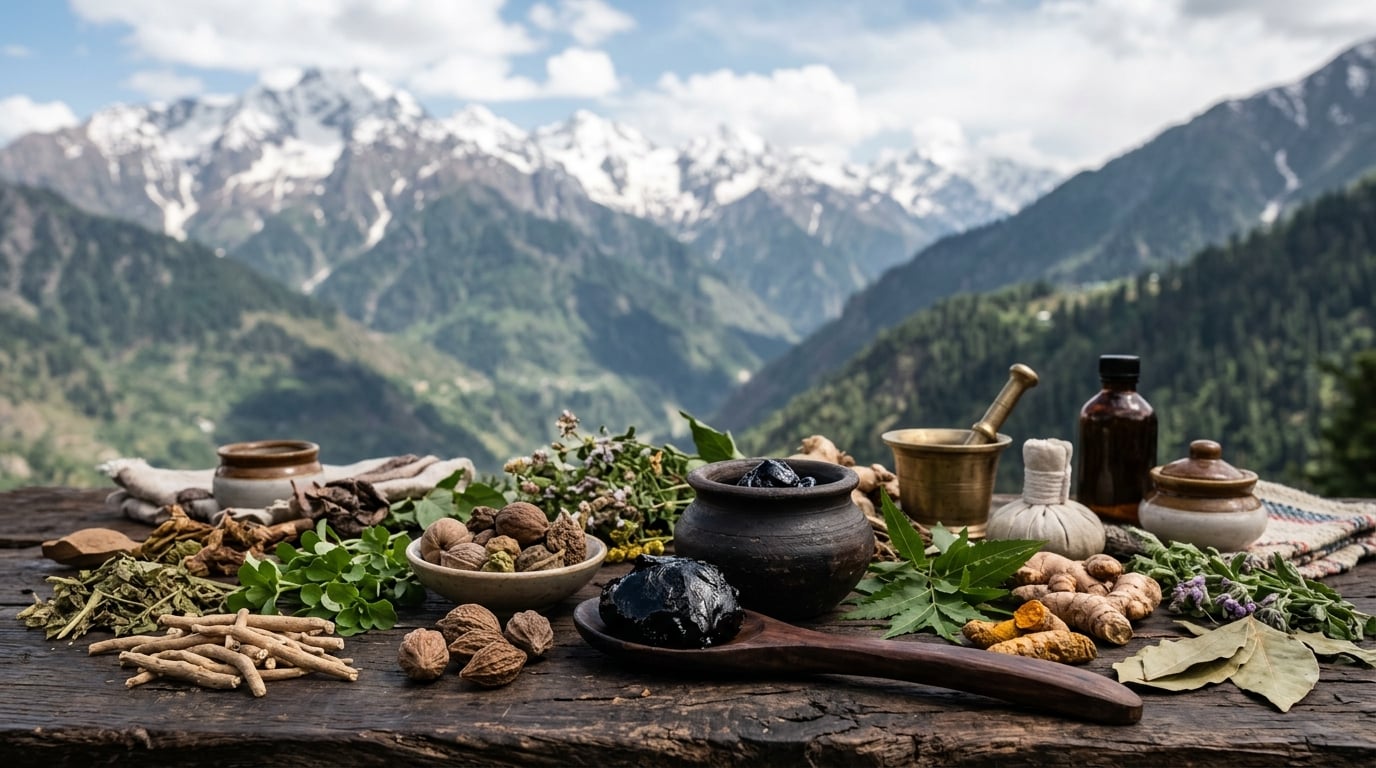
Metabolic Syndrome (MetS)—defined by the co-occurrence of visceral central obesity, atherogenic dyslipidemia (elevated triglycerides and depressed HDL), elevated resting arterial blood pressure, and impaired fasting glucose—has become the paramount chronic lifestyle crisis across South Asia. In Nepal, shifting nutritional habits towards ultra-processed carbohydrates and sedentary lifestyles have created unprecedented rates of cardiometabolic morbidity.
In classical Ayurvedic pathology, Metabolic Syndrome is recognized as a manifestation of Medoroga (adipose tissue pathology), Santarpana-Janya Vikara (diseases of over-nutrition and metabolic stagnation), and the preliminary stages of Prameha (metabolic urinary and glycemic disease).
The unique bio-geographic biodiversity of Nepal's high-altitude Himalayan terrain yields botanical species with exceptional concentrations of secondary bioactive metabolites—including polyphenols, sterols, and bitter iridoid glycosides—synthesized by plants to withstand extreme ultraviolet exposure and freezing alpine conditions.
1. High-Altitude Himalayan Therapeutic Botanicals
A. Purified Himalayan Shilajit (Asphaltum punjabianum)
Formed over millennia by the decomposition of therapeutic plant matter compressed within Himalayan rock strata at altitudes above 3,000 meters, genuine Shilajit is a complex organo-mineral substance rich in fulvic acid, dibenzo-alpha-pyrones (DBPs), and more than 84 ionic trace minerals.
- Mitochondrial Respiration: Fulvic acid acts as an electron carrier in the mitochondrial electron transport chain, directly facilitating ATP generation and cellular energy expenditure.
- Insulin Signaling: Clinical investigations confirm that DBPs and fulvic acid complexes upregulate glucose transporter type 4 (GLUT4) translocation in skeletal muscle, overcoming peripheral insulin resistance.
- Lipid Modulating Action: Daily supplementation of purified Shilajit (250–500 mg twice daily) demonstrates statistically significant elevations in high-density lipoprotein (HDL-C) and reductions in serum malondialdehyde (MDA).
B. Shuddha Guggulu (Commiphora mukul) & Medohar Formulations
Guggulu resin, particularly when processed through classical purification (Shodhana) with Triphala decoction, contains E- and Z-guggulsterones, the primary bioactive phytosterols.
- Farnesoid X Receptor (FXR) Antagonism: Guggulsterones act as natural antagonists to the FXR nuclear receptor in hepatocytes, accelerating the conversion of hepatic cholesterol into bile acids and enhancing LDL receptor density on liver cell surfaces.
- Clinical Efficacy: Clinical studies show reductions in serum total cholesterol by 12–25%, triglycerides by 15–30%, and significant improvements in LDL-to-HDL ratios without the hepatotoxic or myopathic side effects frequently associated with synthetic HMG-CoA reductase inhibitors.
C. Haritaki (Terminalia chebula) & Classical Triphala
Revered in Ayurvedic literature as the "Mother of Herbs," Haritaki possesses significant amounts of chebulagic acid, chebulinic acid, and gallic acid.
- Alpha-Glucosidase Inhibition: Chebulagic acid exerts potent, concentration-dependent inhibition against alpha-glucosidase and alpha-amylase enzymes in the small intestine, blunting postprandial glucose surges.
- Gut Microbiome Modulation: Triphala acts as an authentic prebiotic, enriching populations of beneficial short-chain fatty acid (SCFA)-producing bacteria (Bifidobacterium and Lactobacillus) while suppressing lipopolysaccharide (LPS)-producing endotoxic strains that fuel chronic metabolic endotoxemia.
D. Kutki (Picrorhiza kurroa)
Found at elevations of 3,000 to 5,000 meters in the Nepalese Himalayas, Kutki is renowned for its bitter iridoid glycosides, predominantly kutkin (picroside I and picroside II).
- Hepato-Protective Kinetics: Stimulates hepatic cell regeneration, upregulates bile synthesis, and clears hepatic steatosis in non-alcoholic fatty liver disease (NAFLD).
- Anti-Inflammatory Modulation: Strongly inhibits NF-kB nuclear transcription factors, suppressing systemic inflammatory cascades triggered by inflamed visceral fat depots.
2. Classical Formulations and Clinical Prescribing
In clinical practice, single herbs are rarely prescribed in isolation. Ayurvedic formulation science (Bhaishajya Kalpana) leverages synergistic polyherbal blends:
- Arogyavardhini Vati: Contains Kutki, Shuddha Guggulu, Shuddha Shilajit, Triphala, and processed mineral catalysts. Prescribed in metabolic syndrome with predominant hepatic involvement, dyslipidemia, and stubborn visceral fat.
- Triphala Guggulu: Specifically prescribed for clearing micro-channel obstruction (Srotovishodhana) and mobilizing visceral and subcutaneous adipose tissue.
- Nisha-Amalaki: A classical equal blend of Turmeric (Curcuma longa) and Indian Gooseberry (Phyllanthus emblica). Clinical studies confirm its remarkable capacity to stabilize fasting blood glucose, prevent diabetic microvascular retinopathy, and reduce oxidative stress.
3. Circadian Dinacharya & Dietary Integration
Pharmacotherapy must be anchored by lifestyle medicine:
- Langhana (Therapeutic Fasting): Implementation of early-dinner schedules with a 14-hour overnight fasting window to deplete hepatic glycogen and initiate autophagic cellular repair.
- Warm Water (Ushnodaka) Therapy: Consuming warm water throughout the day stimulates Jatharagni, enhances peristalsis, and aids the enzymatic clearance of Ama.
- Kapha-Pacifying Diet: Daily meals should feature bitter and astringent tastes—incorporating bitter gourd (Karela), fenugreek (Methi), mustard greens, barley, and horse gram (Kulatta)—while drastically eliminating cold drinks, refined sugars, deep-fried snacks, and heavy night dairy.
- Morning Vyayama (Physical Exercise): Engaging in moderate physical exercise up to half of one's physical capacity (Ardha Shakti) during early morning hours stimulates metabolic tissue perfusion and lowers fasting insulin levels.
4. Summary & Prognosis
Himalayan phytotherapy provides a scientifically validated, multi-targeted therapeutic armamentarium for reversing Metabolic Syndrome. By simultaneously improving insulin receptor sensitivity, optimizing hepatic lipid clearance, and repairing the intestinal mucosal barrier, these botanical interventions restore enduring metabolic vitality.
Tags & Categories
Read on Official Blogspot Archive
Published on drpratibhatripathi.blogspot.com with reader comments and discussions.

Clinical Practitioner
Dr. Pratibha Tripathi
Assistant Professor · PhD Scholar · Senior Ayurveda Consultant. Over 14 years integrating classical Ayurveda with modern scientific enquiry in Kathmandu, Nepal.
Medical Disclaimer: This clinical article is published for educational and awareness purposes. Please consult Dr. Pratibha Tripathi for individualized Ayurvedic diagnosis, herbal dosages, and lifestyle guidance.
Stay Updated
Receive periodic Ayurvedic research summaries, clinical insights, and seasonal wellness notes from Dr. Pratibha Tripathi.