
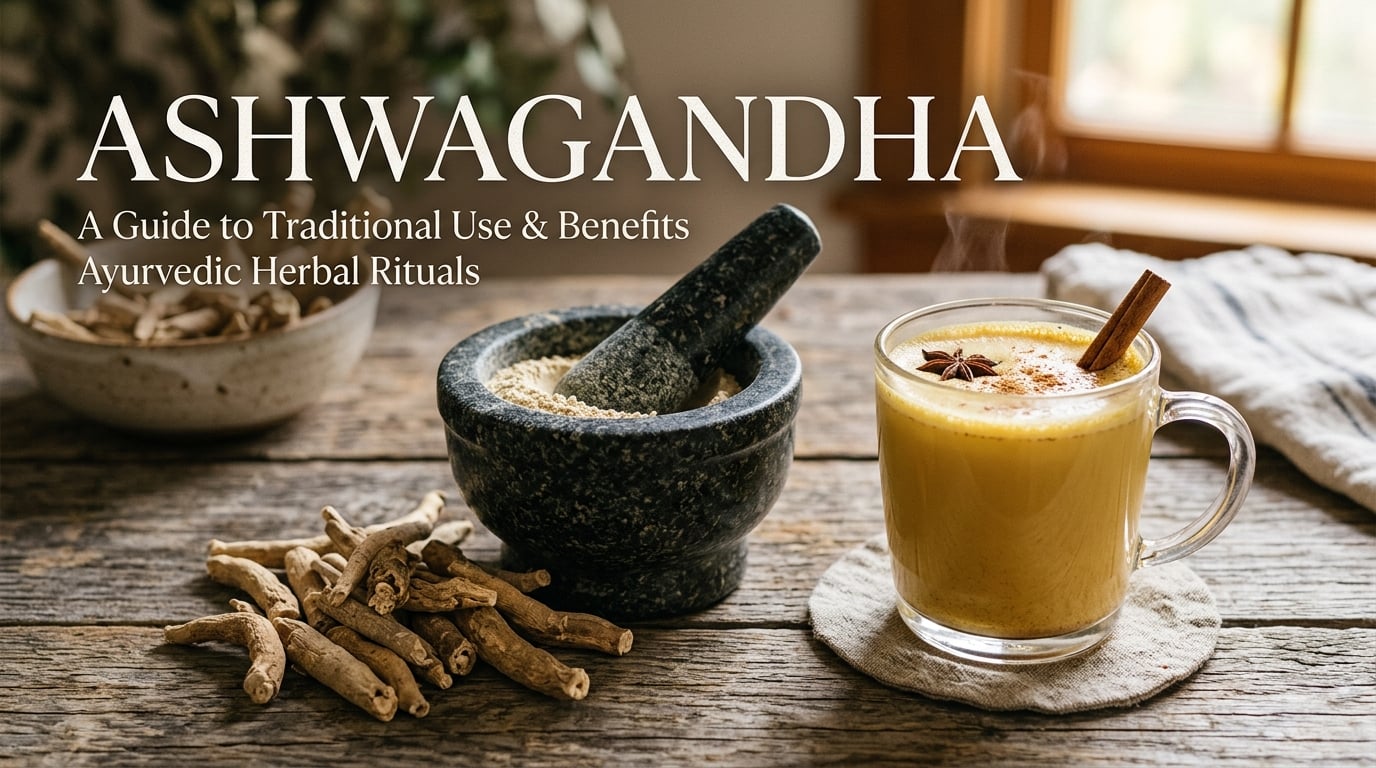
Why Your Ashwagandha May Not Be Working
Ashwagandha (Withania somnifera (L.) Dunal) is one of the most popular herbs in the world, and one of the most inconsistent. Two bottles can both say "Ashwagandha 500 mg" on the front, yet differ greatly in quality, potency and safety.
The difference usually comes down to one group of compounds: withanolides.
What Are Withanolides?
Withanolides are steroidal lactones, a family of bioactive compounds found in the Solanaceae family, and ashwagandha is their best-known source. More than 40 have been identified in the plant. The ones you will see most often in research are:
Withaferin A: found mainly in the leaves; widely studied in laboratory research, but also the compound of greater safety concern at high exposure Withanolide A and Withanoside IV: found in the roots and often linked with the herb's neuro-supportive research Withanone and Withanolide D: studied for their roles in stress response and cell signalling
In simple terms, withanolides are the main marker compounds that scientists use to judge whether an ashwagandha product is genuine and consistent.
The Ayurvedic Lens: What Classical Texts Tell Us
Long before HPLC machines, Ayurveda had its own quality standards. In classical Ayurveda, Ashwagandha is:
Rasa (taste): Tikta (bitter), Kashaya (astringent), Madhura (slightly sweet) Virya (potency): Ushna (warming) Vipaka: Madhura Doshaghnata: Pacifies Vata and Kapha Karma: Balya (strength-promoting), Rasayana (rejuvenative), Vajikarana, and Nidrajanana (sleep-supportive)
The classical texts specify the mula (root) as the part of choice. That matters today, because root-based and leaf-containing extracts have different withanolide profiles. Ayurveda also stresses shodhana (proper preparation), anupana (the right vehicle, such as milk, ghee or warm water) and matra (the right dose). A good product respects all three.
5 Things to Check Before You Buy Ashwagandha
- Which part of the plant is used?
Look for "root extract" on the label. Some products use root plus leaf, which can raise the withaferin A content. Leaf-containing extracts are not automatically bad, but they are a different product. If the label does not name the part, treat that as a warning sign.
- Is it standardized, and to what?
"Ashwagandha 600 mg" tells you almost nothing. Look for a statement such as "standardized to X% withanolides." Common examples in the market:
Type Typical profile Root-only extract (e.g. KSM-66®) Around 5% withanolides, full-spectrum root Root + leaf extract (e.g. Sensoril®) Around 10% withanolides, with a different profile Branded high-concentration extracts (e.g. Shoden®) Up to 35% withanolide glycosides
A higher percentage does not automatically mean a better product. The percentage must be matched to the dose and the clinical evidence behind that specific extract.
- Whole powder or extract?
Traditional churna (root powder) is the classical form, taken with milk, ghee or honey. Modern extracts are concentrated and are easier to dose by withanolide content. Neither is wrong, but they are not interchangeable gram for gram.
- Is there third-party testing?
This is the most overlooked step. Look for a Certificate of Analysis (COA) that covers:
Withanolide content (by HPLC) Heavy metals (lead, arsenic, mercury, cadmium) Pesticide residues Microbial contamination
Brands that publish batch-level COAs are showing confidence in their product.
- Is it registered and made in a quality-controlled facility?
Check for registration with your national drug regulatory authority, GMP certification, and a clear batch number and expiry date. Avoid unregistered, unlabelled products and anything making disease-cure claims.
What Does the Research Say?
Human trials on standardized ashwagandha extracts, mostly in the range of 300 to 600 mg of extract per day for 8 to 12 weeks, have reported benefits in perceived stress, anxiety scores, sleep quality and cortisol levels. Smaller studies point to benefits for strength, recovery and male reproductive parameters.
An honest note, which is also what makes a blog trustworthy: many trials are small or short, use specific branded extracts, and are sometimes industry-funded. Results from one extract cannot automatically be applied to every product on the shelf. This is exactly why the label and the testing matter.
Safety First: Who Should Be Careful?
Ashwagandha is generally well tolerated, but it is not for everyone. Please consult a qualified physician or Ayurvedic practitioner before use if you:
Are pregnant or breastfeeding. Ashwagandha is traditionally and clinically advised against in pregnancy. Have a thyroid disorder or take thyroid medication. It may alter thyroid hormone levels. Have liver disease or take hepatotoxic medicines. Rare cases of liver injury have been reported, and some European regulators have taken precautionary action on certain products. Take sedatives, immunosuppressants, antidiabetic or antihypertensive drugs. Interactions are possible. Have an autoimmune condition or are scheduled for surgery.
Stop use and seek medical advice if you notice jaundice, dark urine, persistent nausea, unusual fatigue or abdominal pain. In Ayurvedic terms, the Ushna virya of Ashwagandha also means it may aggravate Pitta in sensitive individuals, which can appear as heat, irritability or acidity.
How to Take It the Ayurvedic Way Time: Evening or bedtime if you want its calming, sleep-supportive action Anupana: Warm milk (with a little ghee or honey) is the classical choice for Vata-predominant, depleted constitutions Duration: Rasayana therapy is traditionally taken as a course, not indefinitely. Reassess after 8 to 12 weeks with your practitioner. Diet and lifestyle: No supplement replaces regular sleep, balanced meals, movement and stress management. Ashwagandha supports the foundation; it does not substitute for it. Quick Buyer's Checklist Root named as the plant part Standardized to a stated % of withanolides Batch-specific COA available Heavy metal and pesticide testing Registered brand with GMP manufacturing Clear dose, batch number and expiry date No exaggerated claims ("cures anxiety," "instant results") Practitioner consulted if you have a medical condition or take medicines
The Bottom Line
Ashwagandha works best when old wisdom meets new quality control. Ayurveda tells us which part, which form and with which vehicle, and modern analysis tells us how much active compound, and whether it is clean. When you buy with both in mind, you stop paying for a name and start paying for a product that actually does what the tradition promises.
Tags & Categories
Read on Official Blogspot Archive
Published on drpratibhatripathi.blogspot.com with reader comments and discussions.

Clinical Practitioner
Dr. Pratibha Tripathi
Assistant Professor · PhD Scholar · Senior Ayurveda Consultant. Over 14 years integrating classical Ayurveda with modern scientific enquiry in Kathmandu, Nepal.
Medical Disclaimer: This clinical article is published for educational and awareness purposes. Please consult Dr. Pratibha Tripathi for individualized Ayurvedic diagnosis, herbal dosages, and lifestyle guidance.
Stay Updated
Receive periodic Ayurvedic research summaries, clinical insights, and seasonal wellness notes from Dr. Pratibha Tripathi.